
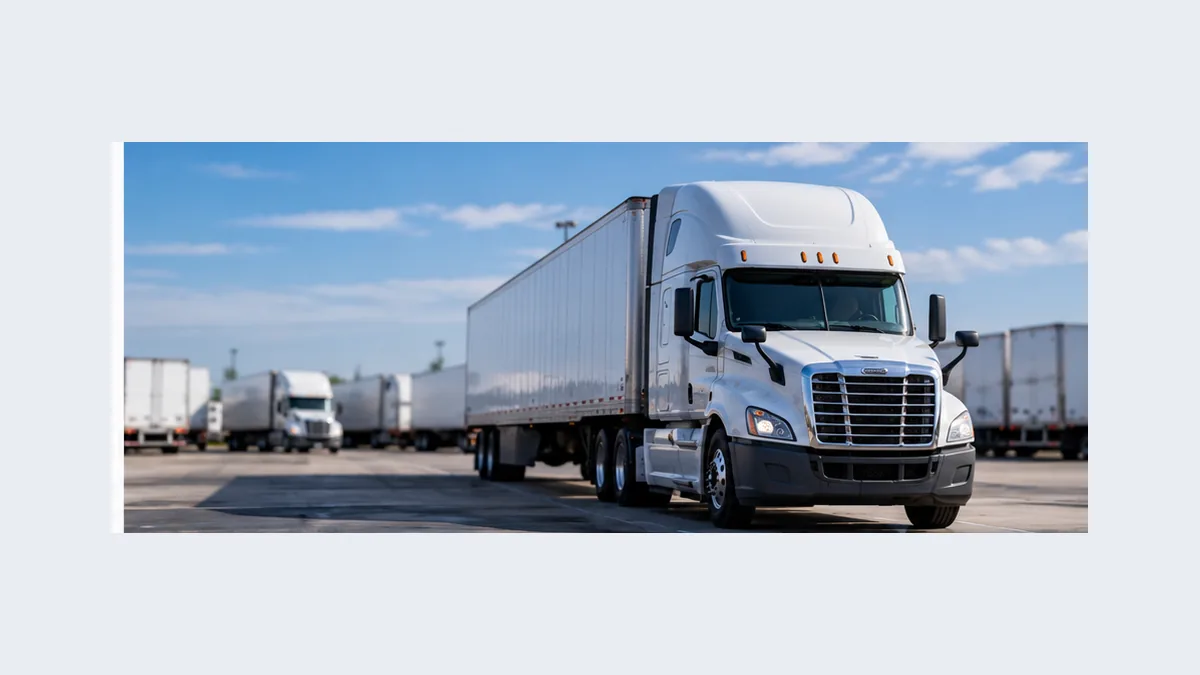
A practical guide for owner-operators deciding which jobs and equipment arrangements actually fit their business.
Renting a truck does not automatically authorize freight hauling
A box truck rental for moving household items is different from a commercial rental used by a motor carrier hauling for others. The rental company must permit your intended business use, and you must meet applicable operating rules.
1. Confirm the rental agreement allows commercial freight
Ask whether for-hire freight transportation is allowed, whether there are mileage or state restrictions, which drivers can operate the truck and what happens if it breaks down. Get the important terms in writing.
2. Confirm commercial insurance with the insurer
Do not assume a damage waiver or counter add-on substitutes for motor-carrier liability and cargo coverage. Ask your commercial insurance agent how hired or non-owned vehicles are covered, which truck must be scheduled and what the rental company requires.
3. Ask the broker whether the rental equipment is acceptable
A broker may request equipment registration or lease documents, insurance certificates, pictures, the truck VIN and proof that the vehicle is lawfully operated by your company. Broker and shipper policies differ.
4. Check actual payload and freight handling needs
A 26-foot description alone does not tell the broker your allowable payload. Verify GVWR, empty vehicle weight, door opening, interior dimensions, pallet spaces, dock height and liftgate capacity. Never accept freight that exceeds legal weight limits.
5. Know the complete job cost
Add rental fee, rental mileage overages, fuel, commercial insurance, tolls, deadhead, loading costs and dispatch fees before judging a rate. The load must make sense after all expenses, not only the advertised linehaul amount.
6. Understand authority and license obligations
Interstate for-hire operations may require USDOT registration and operating authority depending on the operation. Driver license rules depend on vehicle weight and other factors, not box length alone. Confirm the requirements with FMCSA and your state.
How RGI Dispatch helps
We can review the truck information and help search for broker opportunities that fit the equipment and carrier profile. The rental provider, insurer and broker must each approve what they are responsible for. We cannot override restrictions.
Frequently asked questions
Does a 26-foot rental always require a CDL?
No. License requirements depend on weight ratings, combinations and other legal factors, not length alone.
Will a freight broker accept every rental box truck?
No. Broker acceptance depends on documents, insurance, equipment and customer requirements.
Useful resources
Review current insurance and carrier requirements with the relevant insurer, rental provider, broker and FMCSA before operating.